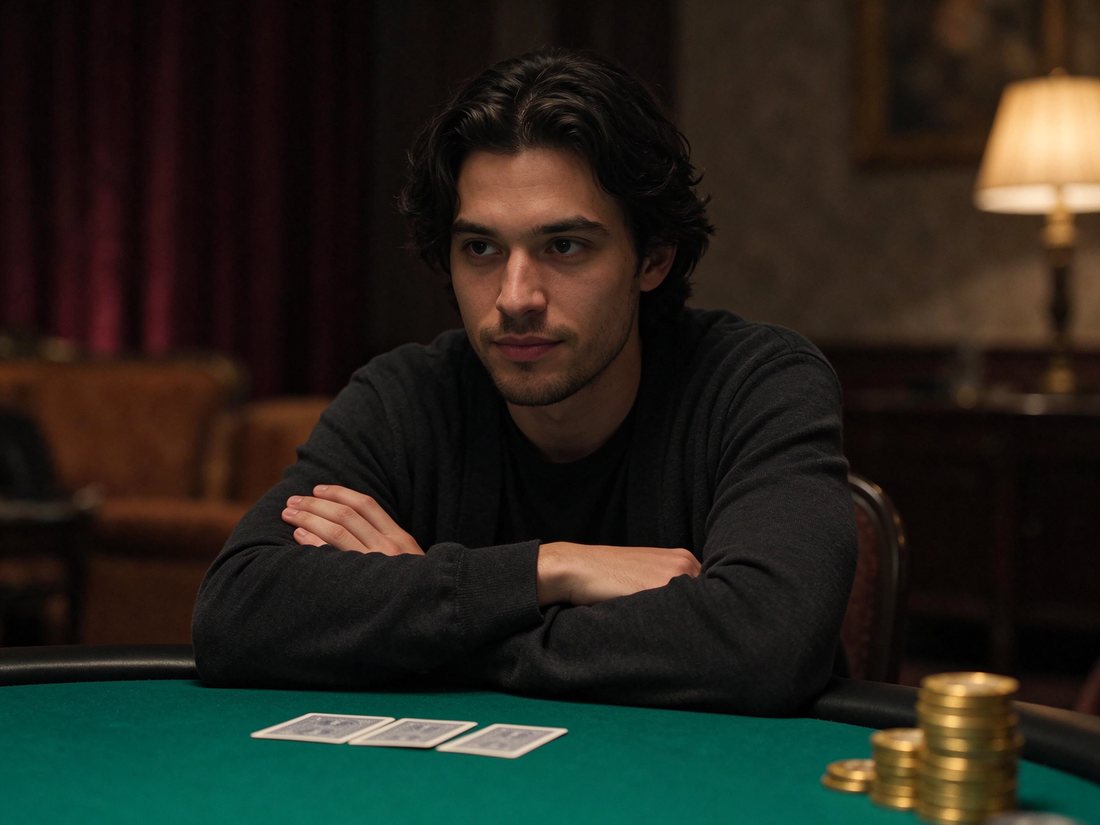
Bluffing in Teen Patti works because the betting is asymmetric: a blind player pays half what a seen player pays, so pressure is cheaper for the player who has not looked. That single rule shapes every bluff worth making. You are not trying to look confident; you are trying to make calling expensive for a hand that cannot improve. This guide separates the bluff types that hold up over a long session from the four that lose chips, with worked hands, a decision table and the reading habits that make the difference measurable.
The Structural Reason Blind Pressure Works
In a standard round, a blind player posts 10 chips to stay in while a seen player posts 20, or 20 against 40 at the higher stake level. That means a blind raise of two steps costs the same as a single seen call. Applied repeatedly, a blind player can move the price of staying in the hand upward while spending half as much as the opponent to do it.
This is why the strongest bluffs in Teen Patti are not chat tricks or unlikely bets. They are blind raises applied in sequence against a seen player who has already committed chips and does not want to fold a hand they paid to look at. The teen patti ranking matters here in a specific way: most folds happen with High Card and low Pair holdings, which together make up roughly 91 percent of all three-card hands, so the typical opponent is folding the majority of the time whether or not they admit it.
Two Bluffs Worth Making
1. The blind pressure sequence
You stay blind through the boot and the first two raises, then raise twice in a row when only one seen opponent remains. Cost: two blind raises at 20 and 40, so 60 chips against a pot that is usually 200 or more by that point. The opponent must call 40 to see a player who has not looked, and their own hand is usually a Pair at best. This is the highest-frequency profitable bluff in the game, and it works because the opponent has to pay full price to find out whether you are lucky.
2. The semi-bluff on a Pair
You are seen with a Pair of Sevens and a Four kicker. This beats High Card and loses to every Pair of Eights or better, which is a narrow band: roughly 6 percent of hands. Raising here is a semi-bluff: you are ahead of the largest category of hands and behind only a small slice of the distribution.
In Muflis the ranking is reversed, so the weakest classic hand becomes the strongest. A player holding three unconnected low cards looks, to a classic-table mindset, like a fold. In Muflis that is close to the best possible hand, which means the bluff runs the other way: you raise with what looks like junk and the opponent assumes you are bluffing. Confirm which ranking the lobby uses before applying this, because the same three cards are worth opposite amounts on the two tables.
The anchor in practice. Players often learn bluffing in a single teen patti master room and then find that the pressure that worked there fails in a room with different stake steps. Stake structure, not card luck, is what the bluff is priced against.
Four Bluffs That Cost Chips
| Bluff | Why it fails | Cheaper alternative |
| Raising three times with High Card | The third raise is only called by hands that beat you; you have paid to be told | One raise, then pack |
| Blind bluffing into four opponents | Each opponent has an independent chance to hold a Pair or better | Wait until two players remain |
| Showing your cards after a bluff | Tells the table your raise range, and the next bluff gets called | Keep the hand private |
| Bluffing after a long losing streak | Stake sizing drifts upward and the bluff becomes a chase | Reduce the stake level or stop for the session |
What a Tell Actually Is
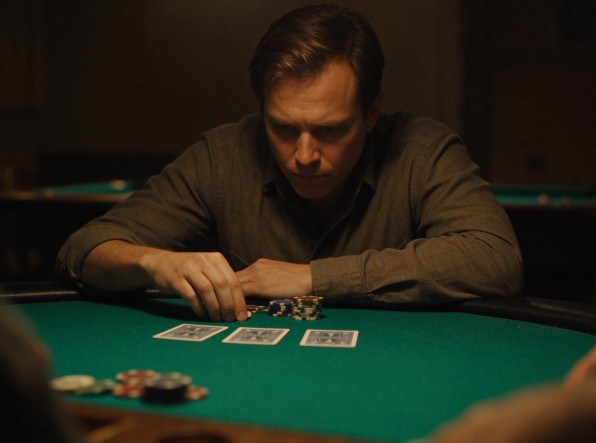
In Teen Patti, three signals carry real information because they are tied to the game’s mechanics rather than to personality.
Bet timing consistency. A player who calls instantly on every street is usually not evaluating; they have decided to see cards regardless. A player who pauses only on raises is evaluating, and their raises are more likely to be genuine. Record the pattern rather than the single pause: three pauses followed by three raises is a range; one pause is a mood.
Blind-to-seen transitions. A player who stays blind for many rounds and then suddenly looks is usually responding to a large pot rather than to a strong hand, because looking costs double. Their subsequent raise frequency is the signal, not the act of looking.
Stack-to-stake ratio. A player with 20 times the current stake can bluff freely; a player with four times the stake usually cannot, because one call commits a quarter of their chips. Watch the stack, not the face. This is the single most reliable read in online Teen Patti and it needs no interpretation of expression at all.
A Decision Table You Can Apply Live
Use this table when you are considering a bluff on the current street. Count the conditions you meet honestly; three or more and the bluff is reasonable, two and it is marginal, one or none and you should pack.
| Condition | What it means | Weight |
| Two or fewer opponents | Fewer independent hands that can call you | High |
| Pot already large relative to the raise | You risk little to win a lot | High |
| Opponent stack shallow relative to stake | Calling is expensive for them | High |
| You are blind, opponent is seen | Your pressure is half price | Medium |
| Opponent has folded to raises this session | Their range is narrower than their hands | Medium |
| You hold at least a Pair | You may win a called pot without a bluff succeeding | Medium |
Three habits shorten the learning curve. First, keep a written count of how often your bluffs get called in a session; most players overestimate their fold equity by a wide margin, and the count corrects it within twenty hands. Second, hold the stake level constant for a whole session, because bluff profitability depends on the ratio of raise size to pot size. Third, review one hand per session where you bluffed and lost, and identify which of the six conditions in the table above was missing. One condition per session is enough; you do not need a system.
Risk Notes
Bluffing does not create an edge that guarantees profit; it changes the shape of your results, folding more pots but losing more when called, and the arithmetic only holds over many hands. Virtual chips in practice or social rooms carry no cash value, and where cash play exists the applicable local law and the platform’s terms decide whether you may take part. Do not raise to recover a loss, do not treat a bluff that worked as proof of a read, and never share account credentials or one-time codes with anyone claiming to be support.
The Takeaway
The bluff that works in Teen Patti is the cheap one: blind pressure against a shrinking field, a single raise with a hand that beats the largest category of opponent holdings, and board-aware pressure in variation lobbies where the ranking is inverted. The bluff that fails is the third raise, the blind raise into four opponents, and any bluff played to recover a loss. Price every bluff against the pot, count how often it gets called, and let the count rather than the memory of a lucky hand decide whether it stays in your game.