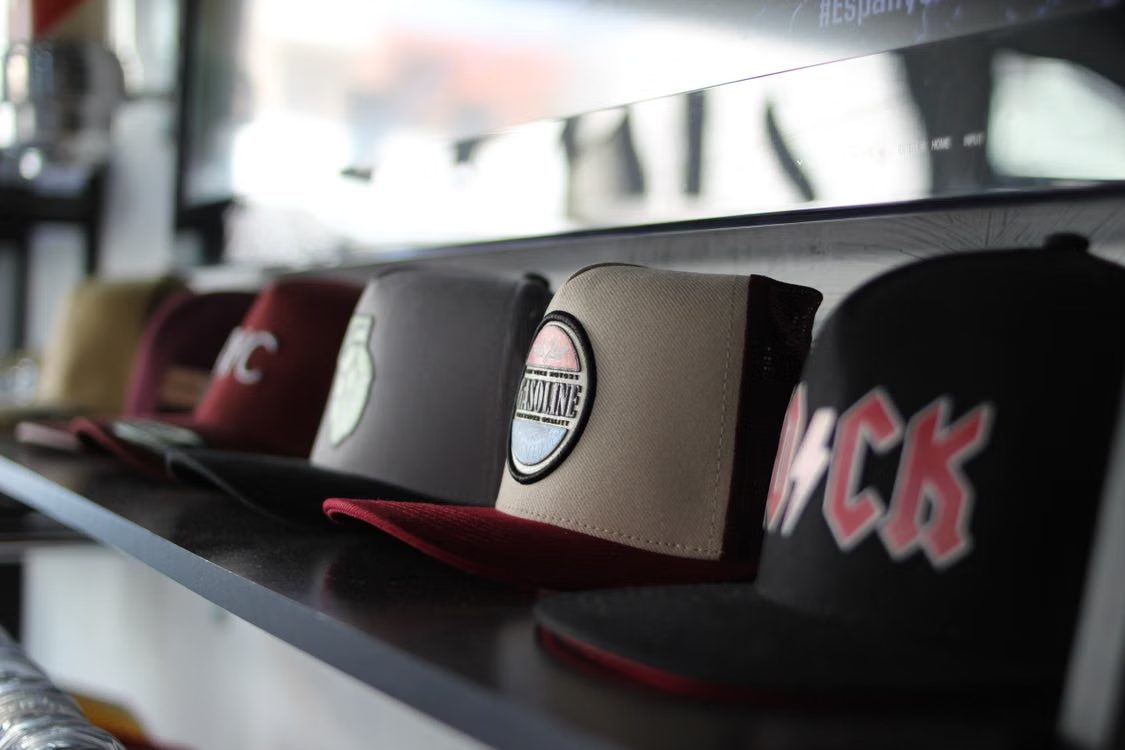
Every championship leaves behind a small object that ends up meaning more than the trophy. For a city that waited generations, that object is often a cheap-looking cap handed out in a champagne drenched clubhouse minutes after the final out. It has a printed logo, a stiff brim and a sticker still on the side.
Within an hour, that cap is no longer merchandise. Players wear it on the field, in the tunnel and into interviews, and fans at home treat the same design as a badge. People mark big nights in different ways, from a quiet group chat to a lively table game evening, and some like to unwind afterwards with a live show format such as evolution crazy time, where a studio host spins a giant wheel for the audience.
Why the Clubhouse Cap Matters More Than the Trophy
A trophy stays in a case. A cap travels. The locker room version is produced in advance in two batches, one for a win and one for a loss, and the winning stock is rushed from storage to the clubhouse while the last inning is still being played. Equipment staff keep the other batch out of sight until needed.
That small logistics detail is why the cap becomes proof. It carries the date, the moment and the faint smell of celebration, and collectors can tell a real clubhouse piece from a retail copy by its tags and stitching.
A Franchise That Waited Decades for This Night
A bankrupt Seattle Pilots club was sold and shipped east during spring training in 1970, and Milwaukee had a big league team. Their closest earlier brush with a title came in 1982, when they reached the World Series and lost to the Cardinals in seven games. Fans who were children then are now grandparents.
That long gap explains the emotion around a simple piece of cloth. Many supporters kept the 1982 gear in closets for forty years. When a first title finally arrives, the old caps come out beside the new ones, and the two eras sit on the same shelf. One longtime season ticket holder described hanging them side by side on a single nail, faded blue next to crisp new navy.
How Fans Read the Details on a Championship Cap
Retail stores sell the same design within days, but the details separate a souvenir from an artifact. Fans learn quickly enough which features to check, and the differences are visible even from a few feet away.
Three details give away the difference at a glance, and the comparison chart after this list lines up the rest for shoppers today:
- The official cap uses the fitted construction players wear.
- The replica swaps that structure for an adjustable strap.
- Only the clubhouse piece has a direct link to the final out.
| Feature | Clubhouse cap | Retail replica |
| Fit | Fitted sizes only | Often adjustable |
| Patch | Champion patch applied | Printed or embroidered copy |
| Origin | Made before the final out | Released after the win |
| Collector interest | Very high | Moderate |
Most people buy the replica and are perfectly happy, since it costs a fraction of the price and looks nearly identical from the stands on a sunny afternoon at the ballpark. The clubhouse piece mostly lives in a few private collections and museum drawers, and it rarely changes hands.
What Collectors Look For First
Authentication starts with the inside. Collectors check the sweatband tag, the date code and the seam finishing before they ever look at the logo. A real postseason item often has a tiny batch mark that retail stock lacks.
Provenance matters just as much. A photo of a player wearing the exact cap, matched by a stain or a crooked stitch, can double its value overnight. Without that link, even an authentic item stays a nice old hat.
How to Care for a Cap You Want to Keep
Sweat and sunlight do the most damage. Hand wash with cool water and mild soap, then reshape the crown over a bowl and let it dry in the shade. Never use a dishwasher, since the heat warps the buckram front.
Store the cap away from direct light and out of any attic that swings between freezing nights and hot afternoons, ideally in a clear case that holds the crown upright. A silica packet in the box keeps moisture down, and a dated note on the underside helps whoever inherits it later on.
A Cap Is a Memory You Can Hold
Years from now, the score will blur and the stats will sit in a record book. The cap will still be on a shelf, slightly faded, with a story attached. Someone will ask about it one day, and then someone will answer that they were there, or that their father was.
That is how a locker room cap becomes history. It begins as a piece of equipment, ends up in a family, and keeps the first Milwaukee title close long after the confetti is swept away.