
The greatest football captains in history is a difficult topic to settle definitively, as every era has produced leaders with different styles. Franz Beckenbauer, Paolo Maldini, Carles Puyol, and Sergio Ramos have all left a lasting mark through their trophies, composure, and influence on their teammates. Those who xem bong da truc tuyen on 90Phut TV can recognize true leadership most clearly during difficult moments, while the final kqbd often reflects only part of what a captain contributes to the team.
Franz Beckenbauer: The leader of German football
In the debate over the greatest football captains in history, Franz Beckenbauer holds a special place thanks to his leadership of West Germany and Bayern Munich during periods of remarkable success.
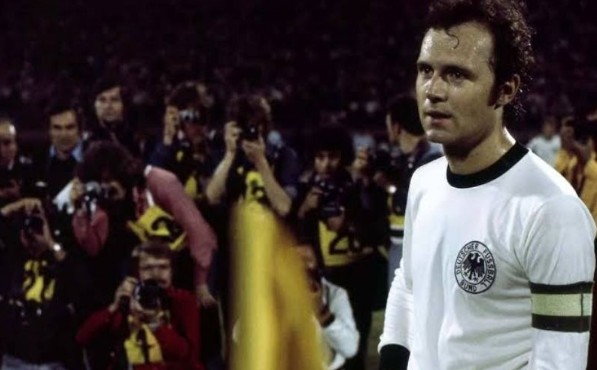
Leading West Germany to the 1974 World Cup title
Beckenbauer wore the captain’s armband when West Germany won the 1974 World Cup on home soil. After overcoming several formidable opponents, his team defeated the Netherlands 2–1 in the final. 90p TV coverage of the tournament highlights that Beckenbauer was not the type of captain who constantly displayed intense emotions. Instead, his ability to read the game and remain composed helped West Germany maintain an exceptionally well-organized defense.
Dominating Europe with Bayern Munich
At club level, Beckenbauer also played a central role in Bayern Munich’s run of three consecutive European Cup titles from 1974 to 1976. Operating as a libero, he organized the defense while actively moving the ball forward. This style made Beckenbauer a key figure in controlling the team’s structure from the back.
Leadership through intelligence
Beckenbauer’s greatest strength lay in his ability to lead through composure and control of the game. He did not need to argue constantly or repeatedly urge his teammates forward; instead, he inspired confidence through accurate decisions. These qualities made “Der Kaiser” one of the most respected captains in world football history.
Paolo Maldini represents AC Milan’s composure and resilience
Paolo Maldini is another prominent contender for the title of greatest football captain in history, having spent more than two decades with AC Milan and played in numerous major European matches.
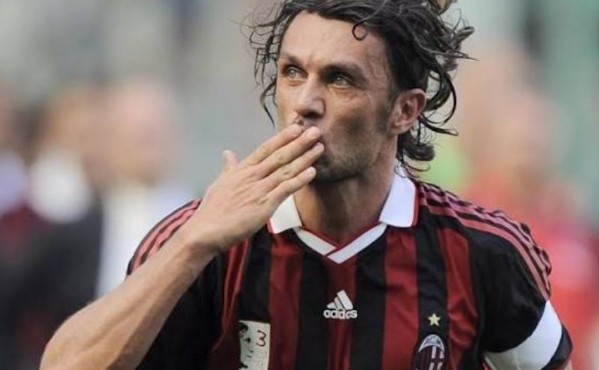
Devoting his entire career to Milan
Maldini played professional football exclusively for AC Milan, from his debut in 1985 until his retirement in 2009. His career spanned more than 20 years, allowing him to experience several generations of players and different tactical eras. 90 Phút TV coverage of Maldini’s career highlights how his consistently high standards and competitive spirit formed the foundation of his leadership.
Leading through consistency
Maldini rarely attracted attention through overly aggressive gestures. Instead, he stood out for his positioning, reading of the game, and calm decision-making. As captain, these qualities helped Milan maintain a solid defensive structure even under intense pressure. Maldini could also play both left-back and center-back while maintaining an elite level of performance.
Lifting the Champions League trophy as captain
Maldini won multiple European Cup and Champions League titles with Milan throughout his career. Notably, he wore the captain’s armband when the club won the Champions League in 2003 and 2007. 90m TV coverage of the 2007 final highlights the significance of that triumph, especially after the unforgettable defeat to Liverpool in Istanbul two years earlier.
Carles Puyol: The heart of Barcelona
Carles Puyol is frequently mentioned when evaluating the greatest football captains in history because he embodied fighting spirit, selflessness, and responsibility toward his teammates during Barcelona’s peak years.
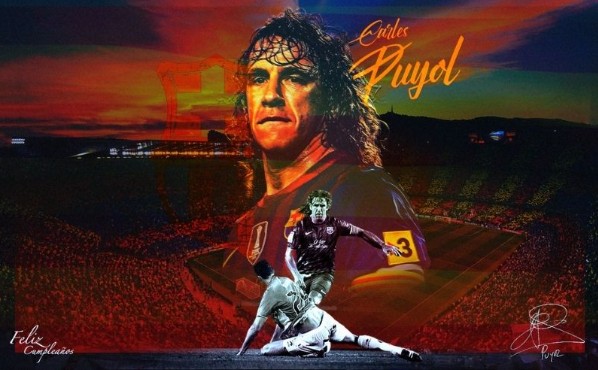
The leader of Barcelona’s golden generation
Puyol captained Barcelona during a period in which the club won numerous trophies under Frank Rijkaard and Pep Guardiola. 90P TV coverage of Barça’s matches shows that, despite playing alongside technically gifted stars such as Xavi, Iniesta, and Messi, Puyol remained essential in maintaining the team’s emotional balance and competitive intensity.
Always putting the team before himself
One of the reasons Puyol earned so much respect was the way he treated both teammates and opponents. He often urged players to remain focused on the match instead of celebrating excessively or engaging in unnecessary arguments. This mentality established his reputation as a captain who placed the team’s interests above personal considerations.
Success at both club and international level
Alongside his achievements with Barcelona, Puyol helped Spain win Euro 2008 and the 2010 World Cup. He scored the decisive goal in the World Cup semi-final against Germany with a powerful header. 90 Phut coverage of that moment shows that Puyol was not merely a source of inspiration but also a player capable of making a direct difference in major matches.
Sergio Ramos: A model captain for the biggest matches
When considering composure, influence, and the ability to rescue his team at decisive moments, Sergio Ramos is a strong contender for the title of greatest football captain in history.
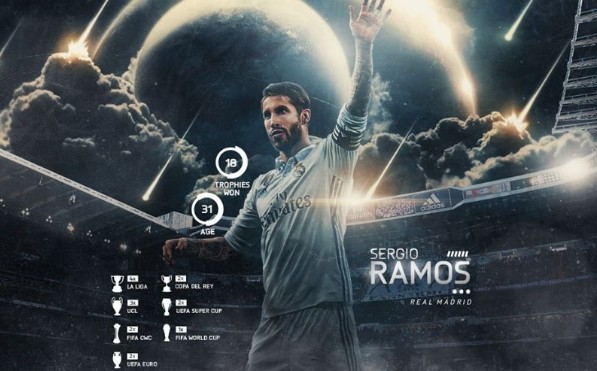
A fighting spirit that became his trademark
Ramos always played with high intensity and was willing to engage in fierce challenges. He not only organized the defense but also regularly urged the entire team forward when trailing. 90Phut TV coverage of Real Madrid’s matches shows that Ramos frequently appeared in the opposition’s penalty area during the closing minutes, despite being a center-back.
The 92:48 goal that changed Real Madrid’s history
Ramos’s most iconic moment came in the 2014 Champions League final against Atlético Madrid. With Real trailing 0–1, he scored a header at 92:48 to equalize and force extra time. Real subsequently won 4–1, completing La Décima. This goal became one of the most important strikes in the club’s history.
Winning multiple trophies as captain
After Iker Casillas left Real Madrid, Ramos became the club’s official captain and continued leading the team to numerous trophies. He lifted the Champions League trophy as captain in 2016, 2017, and 2018, helping secure three consecutive titles in a remarkable achievement. His goalscoring ability, penalty-taking skills, and relentless determination gave him an influence far beyond that of an ordinary center-back.
Conclusion
The greatest football captain in history remains a matter of debate, but Franz Beckenbauer, Paolo Maldini, Carles Puyol, and Sergio Ramos stand out as four exemplary leaders. By xem bong da truc tuyen on 90Phut TV, fans can appreciate the differences between the calm leadership of Beckenbauer and Maldini and the intensity of Puyol and Ramos, while the kqbd reflects only the final outcome of a broader leadership process. Considering composure in major matches, trophies, and the ability to directly change a game’s course, Sergio Ramos deserves the top spot.